
As AI tools like ChatGPT, Claude, and Adobe's creative suite grow more powerful, creative agencies face an emerging ethical challenge: where do we draw the line on disclosure? Should clients know every detail about how we create? And if not, what are the ethical implications of that choice?
Consider this: we don’t typically inform clients about the specific tools in our creative tech stack. If someone asks directly, "Do you use Adobe products?" the answer is an honest yes. But beyond that, there’s no moment in a presentation where we break down which part of the logo design was touched by Illustrator or how Premiere Pro shaped the latest cut of a campaign video. These tools, like many others, are embedded in the creative process — they’re extensions of our team.
But AI is different. Or is it? The very nature of AI tools often makes them feel like more than just a hammer or a brush; they analyze, suggest, create, and, in many ways, simulate creative decision-making. Adobe's generative AI features, AI-enhanced phones, and tools like ChatGPT might actively shape the product in ways that go beyond simply assisting. Yet, in many cases, these tools are always used under human supervision, with creatives steering the AI like they would any other piece of software.
So, should the use of AI tools warrant an extra layer of transparency? This question strikes at the heart of modern creative ethics. On one hand, clients entrust agencies to bring them expertise — the best possible solutions within budget, time, and creative constraints. Whether that expertise is expressed through a brushstroke or an AI-generated texture could be seen as immaterial, provided that the quality, originality, and intent remain true to the brand.
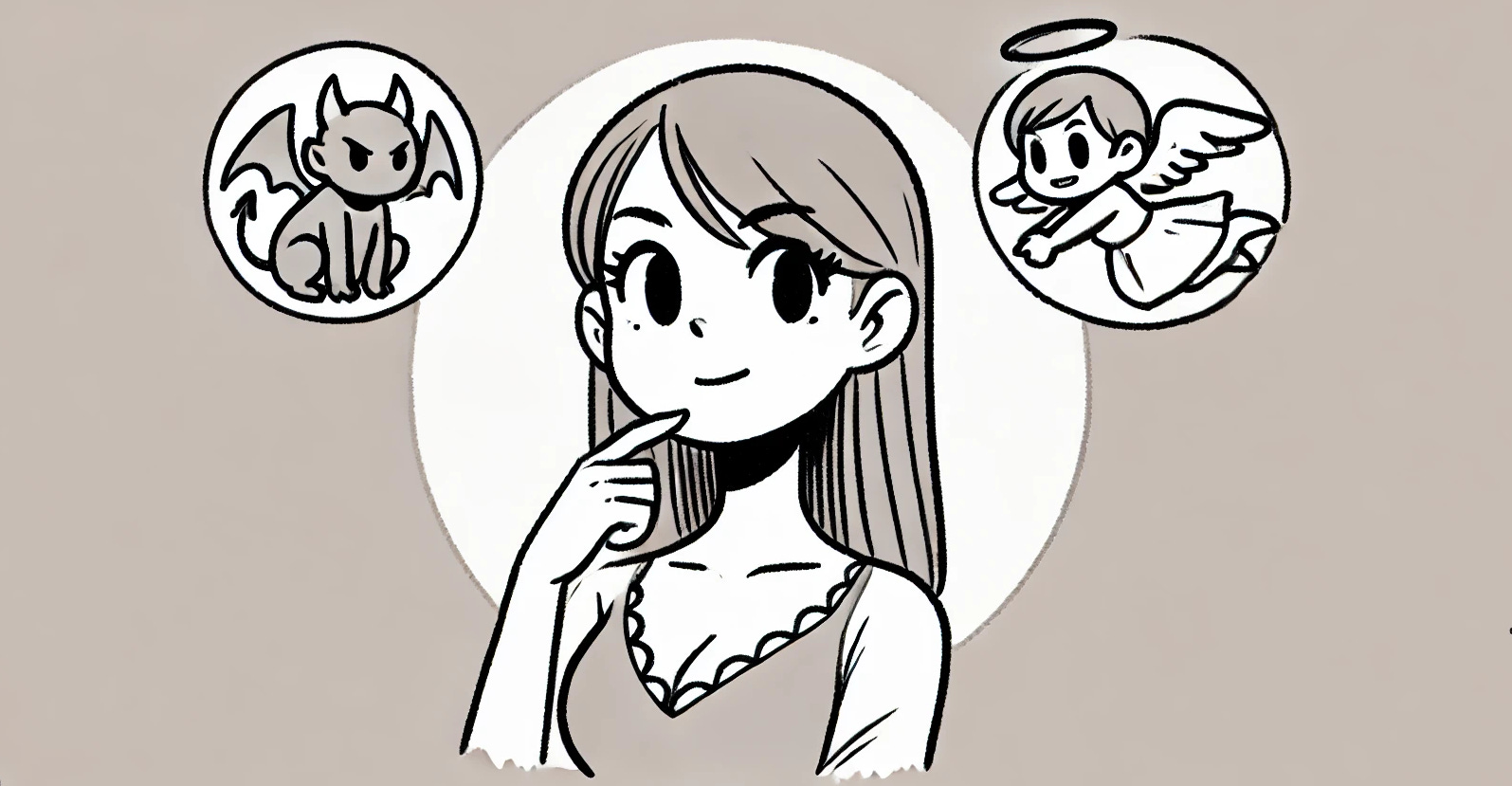
On the other hand, AI, with its ability to synthesize data, generate insights, and even compose narratives, represents more than just a tool. It blurs the boundaries between human and machine creativity. Some might argue that clients deserve to know if their campaign tagline was brainstormed by a human team or heavily assisted by an AI language model. Others might see disclosure as over-complicating a process that, at its core, remains human-driven.
For us as agencies, it might come down to a question of values. Transparency builds trust, but efficiency and the seamless integration of tools are what give our industry its edge. If clients were to ask if we use AI, the answer, much like the Adobe example, would be yes. But the real crux of the ethical debate might be whether our clients feel they are missing something crucial by not being told up front. Perhaps the ethical path lies in recognizing when AI significantly impacts the creative output and considering whether that impact changes the nature of what we deliver.
As AI tools become indistinguishable from everyday software, these ethical lines will only grow more complex. The key may lie in fostering open dialogue — being ready to discuss our processes openly without assuming a need to lay bare every step, while always ensuring that our use of technology enhances rather than diminishes the client’s experience of true human creativity.
Actionable Steps: Starting the Conversation
If you haven't already, it's time to start the conversation — with your leadership team, your creative team, and your clients. Whether you are an agency or work with one, discussing the ethical implications of AI tools is crucial for transparency and trust. Here are some actionable steps to consider:
Internal Discussions with Leadership: Begin by discussing the role of AI tools within your agency's creative process. What are the ethical standards your agency wants to uphold? How transparent do you want to be with clients?
Workshops with Creative Teams: Host workshops or meetings to align your creative teams on how AI tools are used and how to communicate their role. Make sure everyone understands when AI assistance should be disclosed to clients.
Client Communication Policies: Develop a policy on how to handle client inquiries about AI usage. Decide whether proactive disclosure is needed or if responses should be reactive based on client questions.
Training on Ethical AI Use: Provide training to your teams on the ethical considerations of AI. This could include understanding bias in AI tools, the boundaries of AI-generated content, and maintaining human oversight.
Open Dialogue with Clients: Be prepared to answer questions about your creative process. Encourage clients to ask about how tools, including AI, are used in their projects, and foster a culture of openness without overwhelming them with unnecessary details.
Assess Impact on Creative Output: Regularly evaluate how AI influences the creative output. If an AI tool significantly shapes the final product, consider whether this requires a different level of disclosure to the client.
Starting these conversations can ensure that your agency remains at the forefront of ethical creative practices, balancing innovation with the trust that clients place in your human creativity.