
As a long-time Tesla owner, I’ve experienced firsthand the evolution of their vehicles. I drove a Tesla Model S from 2016 until it was totaled in an accident last June. This incident led me to explore other electric vehicles, ultimately choosing a 2021 Tesla Model Y with low mileage.
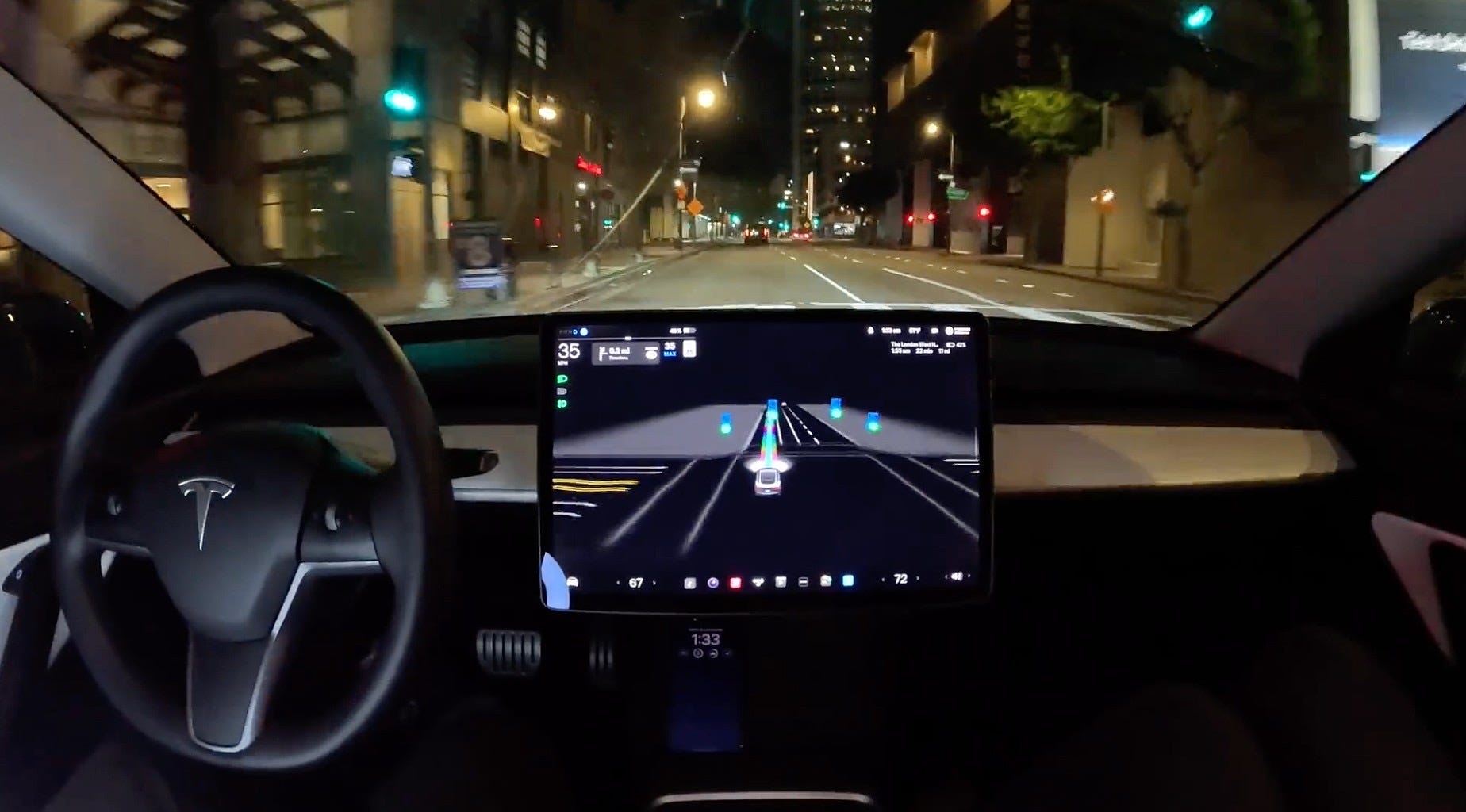
During my search, I considered the Hyundai Ioniq 5, Volkswagen ID.4, and Ford Mustang Mach-E. Despite these options, I ultimately went with the Model Y because of its features and a great deal on a low-mileage 2021 model. I didn’t opt for the Full Self-Driving (FSD) upgrade initially, which costs $99 a month or a one-time fee of $5,000. When Tesla offered a free trial, I decided to give it a shot.
After trying FSD, I’ve found it to be more of an advanced cruise control than a fully autonomous system. It handles routine tasks but struggles in low light or complex traffic conditions due to its vision-only approach. Compared to Waymo taxis, which allow for a fully disengaged experience, Tesla’s FSD still requires driver engagement, making the term “Full Self-Driving” somewhat misleading. While it’s a cool feature with great potential, the name might set unrealistic expectations for users.
FSD is Newspeak, it is anything but full self driving. I have ridden around in Waymo’s FSD cars, the difference is VERY clear.